
The Impact of British Horse Racing Being Suspended
The Impact of British Horse Racing Being Suspended
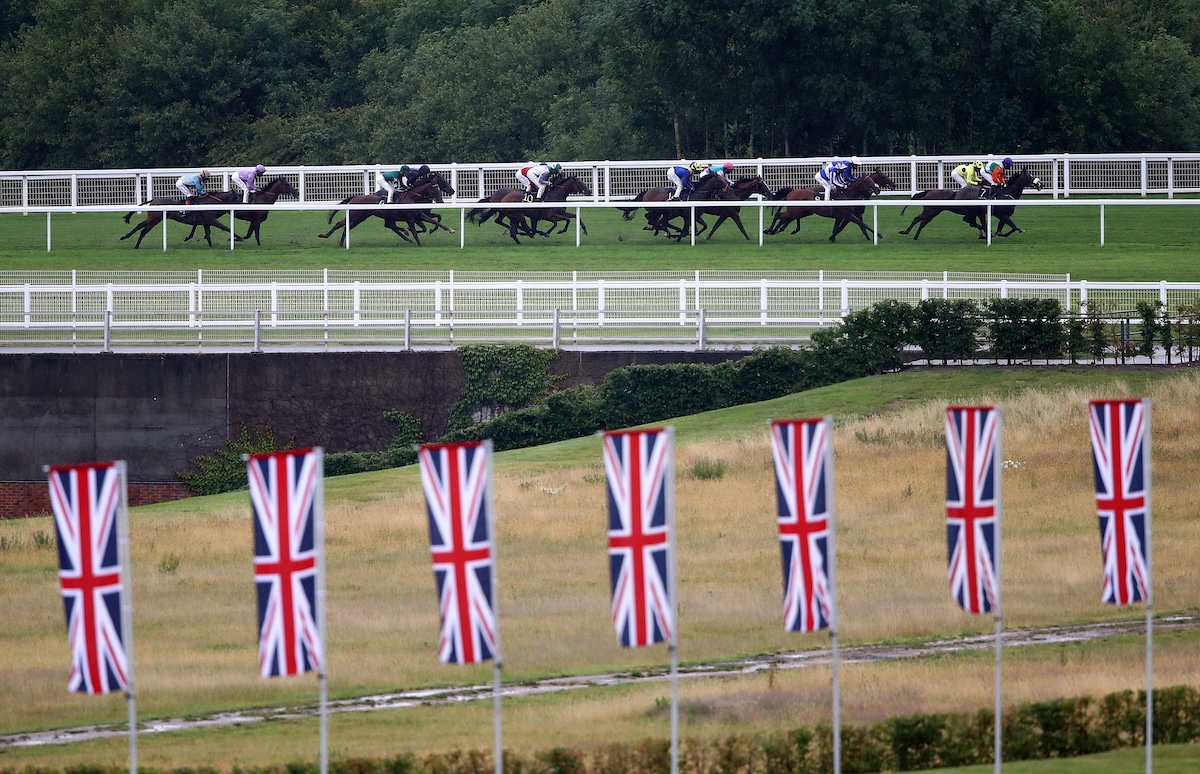
British horse racing is more than just a sport; it is an integral part of the nation’s culture and heritage. However, there are times when events are not held. This article delves into the implications and repercussions when British horse racing is suspended, exploring various aspects from financial impacts on the industry to emotional impacts on fans and participants. Additionally, we will look at how organizations, like British horse racing not on GamStop https://merseysidepolicemounted.uk/, play a role in the broader context of horse racing and its community.
The Historical Significance of British Horse Racing
Horse racing has been a beloved sport in Britain for centuries. With its roots stretching back to ancient times, it has evolved into a multifaceted industry that encompasses everything from breeding and training race horses to organizing high-profile events like the Grand National. Racing not only serves as an entertainment medium but also enhances the economy by providing jobs to thousands of people involved in various sectors, including manufacturing, agriculture, and tourism.
The Economic Impact of Halting Races
When horse racing events are canceled or postponed, the financial ramifications are substantial. The sport generates billions of pounds each year, not just from betting but also from attendance, sponsorships, broadcasting rights, and merchandise sales.
A significant loss occurs in terms of revenue for racecourses, which rely heavily on ticket sales and hospitality packages. This is especially pertinent during major racing festivals, which can see tens of thousands of attendees. In addition, stakeholders such as trainers, stable staff, and jockeys also suffer as their livelihoods depend on the industry’s viability.

The Emotional Impact on Fans and Participants
The emotional connection to horse racing runs deep in British culture. Many families have been attending races for generations, making it a significant social event. The saddened disappointment when races are canceled affects the fabric of communities that gather for these events. For participants — trainers, jockeys, and owners — it’s more than just an economic loss; it’s a loss of passion and dedication to their craft.
Jockeys, in particular, invest years of hard work into honing their skills, and the cancellation of races leads to uncertainty about their careers. These individuals often view racing as a calling, and any disruption can lead to mental health challenges. Additionally, fans who have followed their favorite horses and jockeys might feel a deep sense of loss.
Alternatives and Innovations in Racing
In the face of racing cancellations, organizations have sought to innovate and adapt. For instance, virtual racing has emerged as a new medium, allowing fans to enjoy the thrill of the races from the comfort of their homes. This not only provides entertainment but also opens new avenues for betting.
Moreover, horse racing’s governing bodies have been working on enhancing safety protocols to reassure the public. Innovations in training methodologies, injury management, and overall horse welfare have been prioritized to maintain transparency and rebuild trust in the sport.
The Community Response
In times of crisis, community response is critical. The British horse racing community has shown resilience through collaboration. Trainers and owners often share resources, and initiatives have arisen to support those most affected by a lack of racing. Non-profit organizations host events to raise funds for both the horses and the people in this ecosystem, demonstrating an unwavering commitment to the sport and its participants.
Legislation and Future Considerations
Whenever there’s a pause in horse racing, questions about legislation and regulations come to the forefront. The government and regulatory bodies have discussed the implications of the sport’s suspension, considering how to support those impacted. Financial assistance packages or grants for industry workers have been proposed.
The future of British horse racing may involve more diverse methods of enjoyment and engagement, such as e-sports and digital racing formats. These innovations could potentially attract a younger audience, ensuring the sport remains relevant for generations to come.
Conclusion
The suspension of British horse racing events is not merely a logistical challenge — it affects people’s lives, economies, and communities. As we have seen, the consequences permeate throughout various layers of society, stirring a whirlwind of emotions and economic distress. However, the resilience shown by participants and organizations suggests that while horse racing may face obstacles, its spirit and significance remain rooted in the hearts of many. Future adaptations and innovations will play a crucial role in safeguarding the legacy of this time-honored sport.