
The Evolution and Impact of British Horse Racing A Look at Factors That Keep Racing Not On
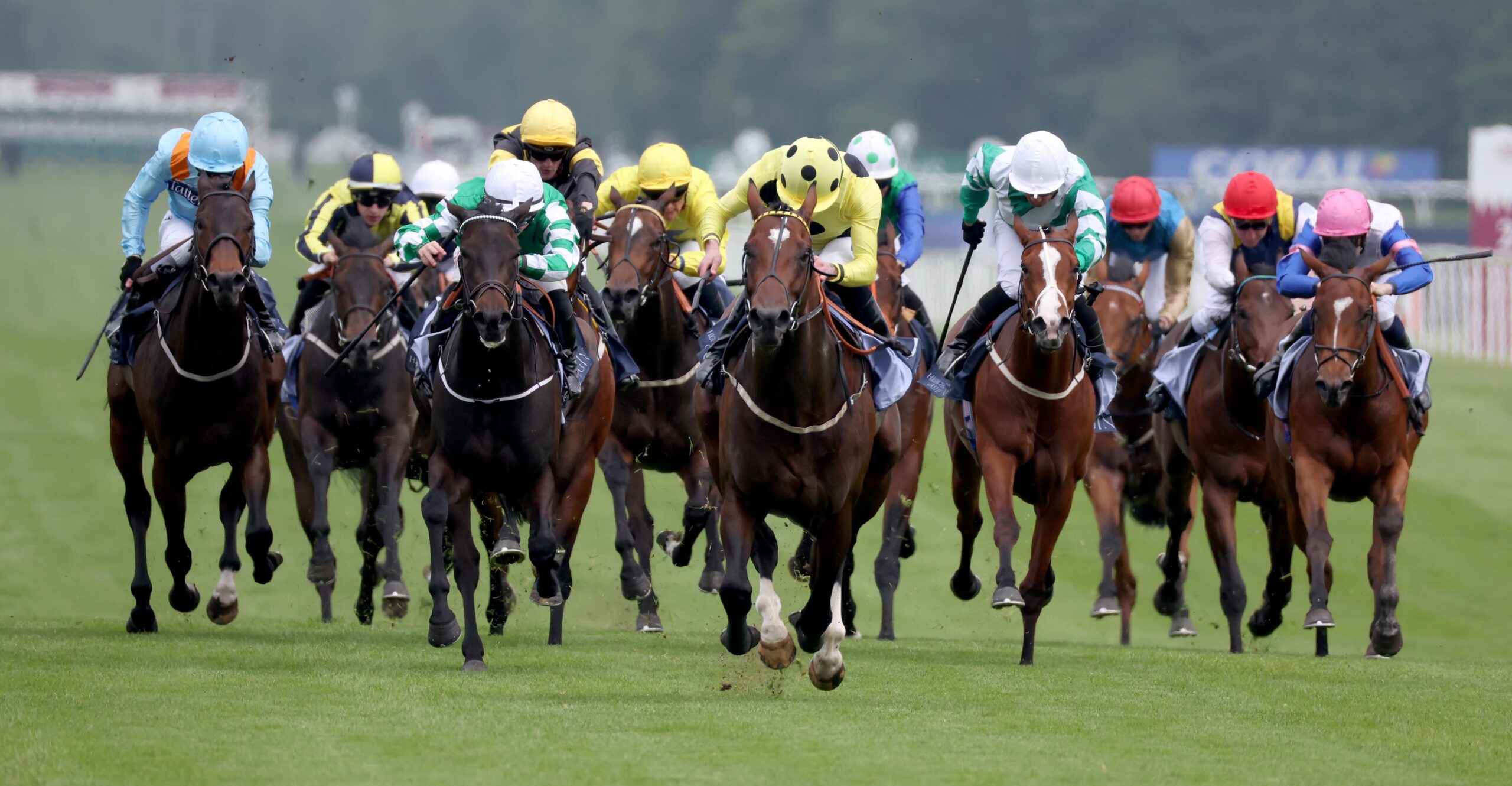
The world of British horse racing, steeped in tradition and rich history, has long captivated the hearts and minds of enthusiasts and casual observers alike. However, in recent years, various factors have led to scenarios where racing events may be «not on,» creating significant ripple effects throughout the industry. One of the side avenues of this discussion includes British horse racing not on GamStop horse betting sites not on GamStop, which represent an alternative for some bettors seeking options outside regulated platforms. This article aims to delve into the complexities surrounding the British horse racing scene, consider its influence and challenges, and highlight why some races may not be taking place.
The Historical Significance of British Horse Racing
Horse racing in the UK traces its roots back to ancient times, evolving from informal contests to the organized sport we see today. The first recorded race took place in 1174, and since then, racing has grown into a national pastime, deeply embedded in British culture. Major events like the Grand National, Royal Ascot, and Epsom Derby showcase not only the athletic prowess of equine competitors but also a grand fusion of society, fashion, and tradition.
The Regulatory Environment
A key aspect that influences whether racing events are held is the regulatory framework surrounding the sport. The British Horseracing Authority (BHA) plays a pivotal role in maintaining standards and ensuring that the sport is conducted fairly. However, periodic changes in regulations can have unexpected consequences. For instance, increased scrutiny concerning equine welfare and the treatment of racehorses has led to stricter guidelines. While these regulations are essential for the integrity of the sport, they can sometimes result in the cancellation or postponement of races, particularly if concerns arise about the conditions under which they are held.
Weather Conditions and Their Impact
British weather is notoriously unpredictable, often leading to conditions that can affect race schedules. Heavy rainfall, high winds, or frost can make racing tracks unsafe, necessitating the cancellation of events. This unpredictability has become even more pronounced in recent years, with climate change contributing to increasingly erratic weather patterns. Organizers are often faced with tough decisions about whether to proceed with races, weighing the risks to both horses and spectators against potential financial losses.

The Economic Landscape
The economics of horse racing also plays a crucial role in determining whether events happen. In times of economic uncertainty, sponsors and owners may tighten their belts, leading to decreased funding for races. Moreover, in a post-pandemic world, the recovery of industries such as tourism and retail has varied across regions. This variation impacts attendance at race meets, which in turn affects logistical considerations such as whether to go ahead with planned races. The importance of financial stability cannot be understated—in a sport deeply reliant on betting, a dip in public confidence can lead to an immediate ripple effect on attendance and revenues.
Public Health Concerns
The COVID-19 pandemic significantly disrupted the horse racing calendar in 2020 and 2021, with numerous events being canceled or rescheduled. Even as restrictions have eased, ongoing public health concerns continue to linger, with some racecourses implementing specific measures to ensure the safety of attendees. The fear of potential outbreaks influences attendance and sponsorship, leading to an environment where some races may again face cancellation or postponement if similar health concerns arise in the future.
The Role of Technology
Technology has transformed many aspects of horse racing, from training methods to betting systems. However, this transformation isn’t without its challenges. The rise of online betting platforms has altered how people engage with racing, with newcomers sometimes opting for alternatives that may not be sanctioned by GamStop. While this may provide additional opportunities for punters, it also raises questions about the integrity and safety of these sites compared to traditional bookmakers. Additionally, if online engagement becomes the preferred method for majority bettors, it could influence the number of attendees at live events, thereby threatening the sustainability of in-person racing.
Conclusion: The Road Ahead for British Horse Racing
As we assess the external factors affecting British horse racing, it becomes clear that the future landscape is ever-changing. The confluence of stringent regulations, unpredictable weather, economic pressures, public health concerns, and technological advancements all contribute to a narrative where some races may very well be «not on.» However, the sport’s rich heritage and the passion of its supporters provide hope that these challenges can be navigated. By addressing these multifaceted issues and adapting to the changing environment, British horse racing can continue to thrive, ensuring that the hoofbeats of thoroughbreds resonate for generations to come.